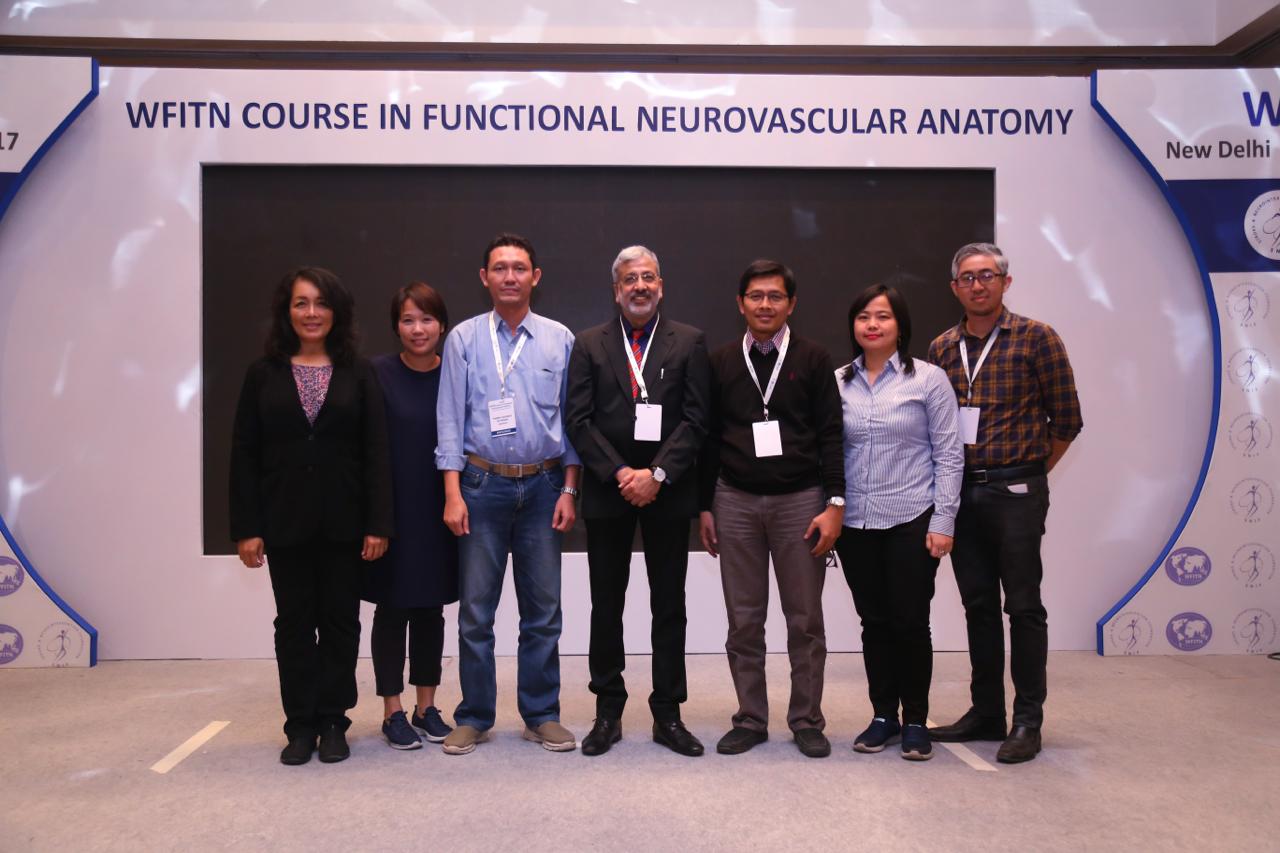
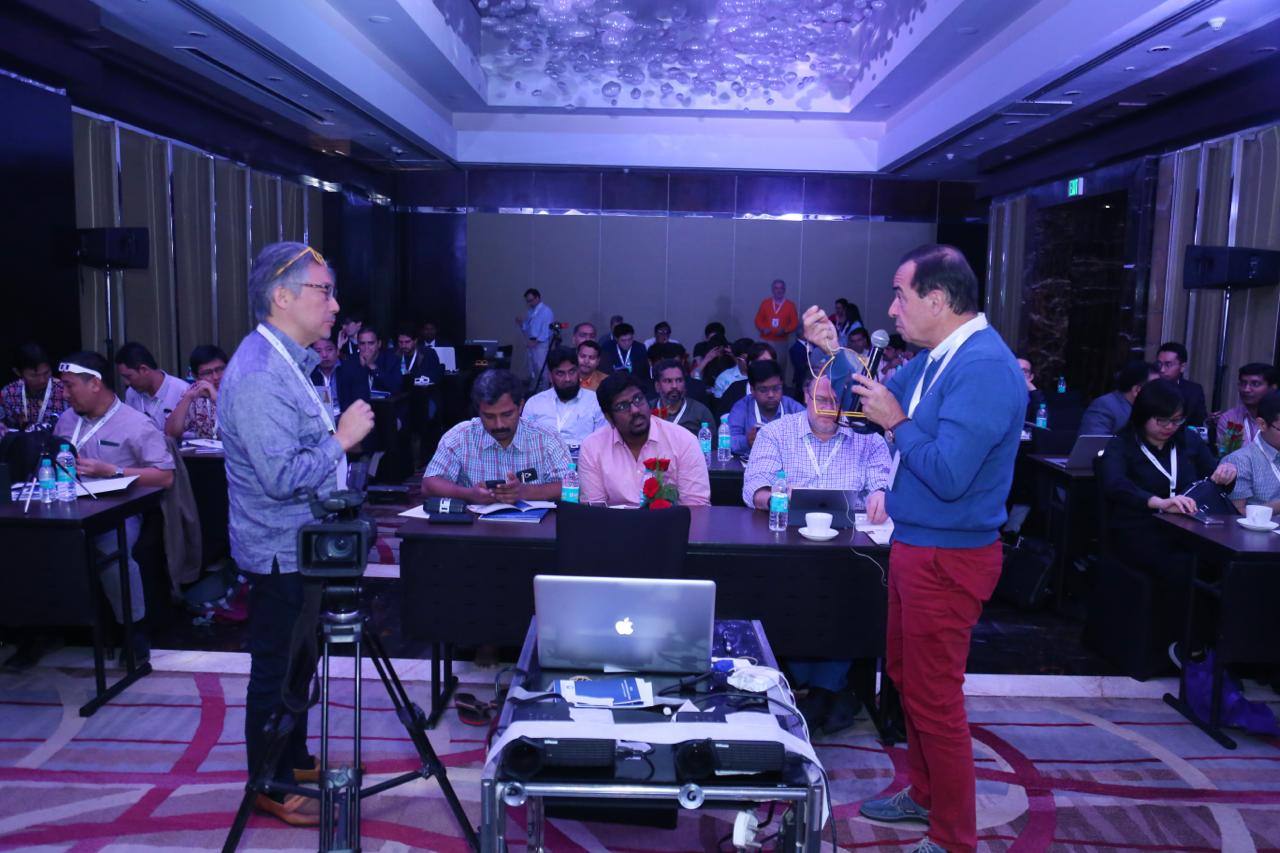
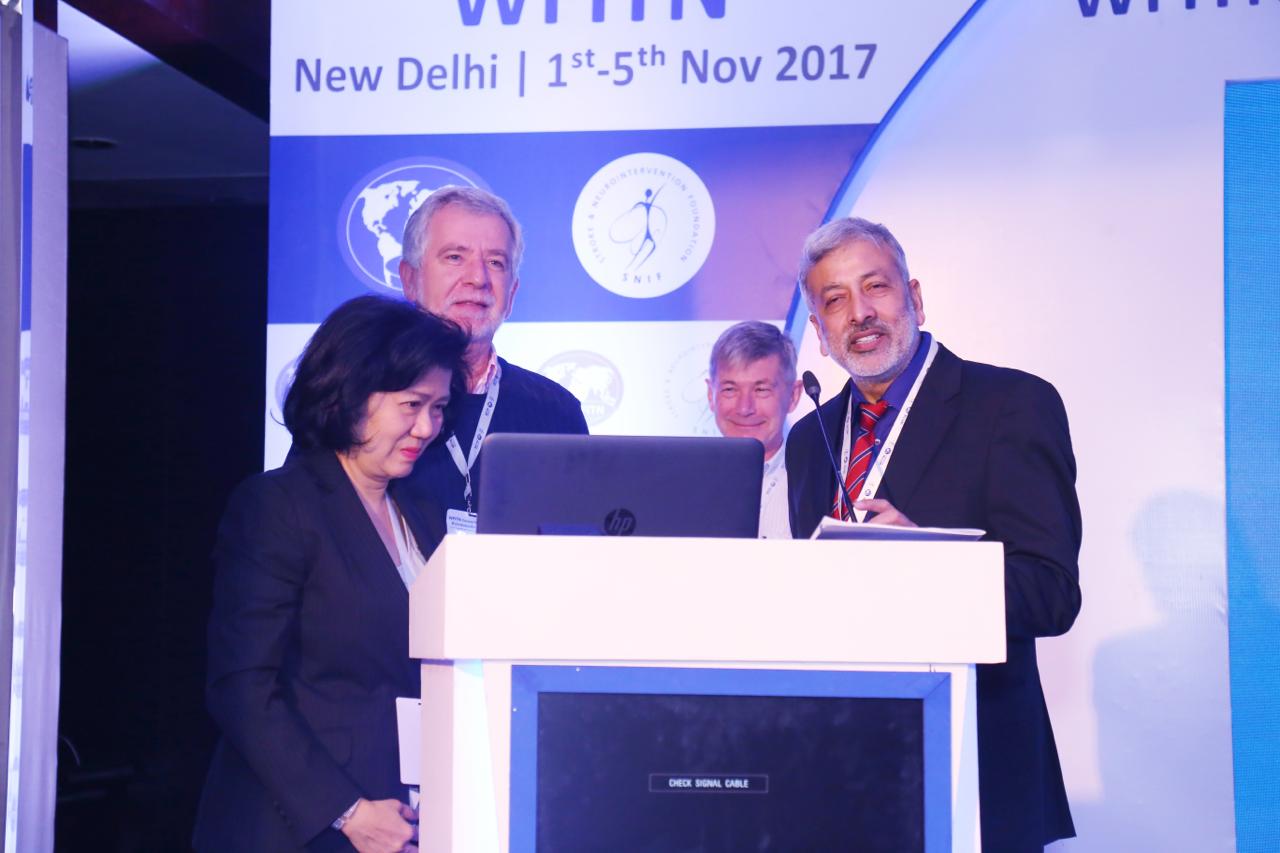
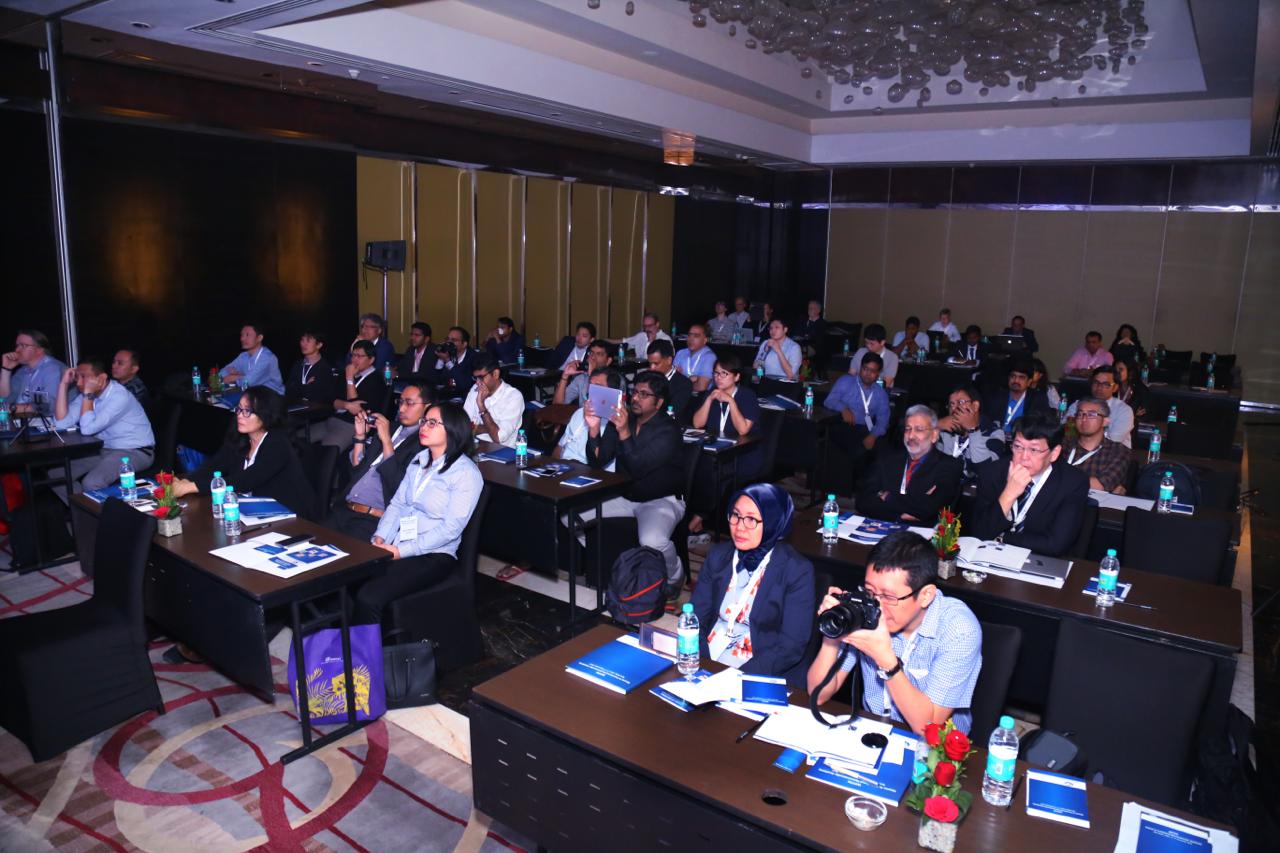
The Functional Neurovascular Anatomy course is comprehensive and didactic review of the embryology and vascular anatomy of the brain, head, neck and spine.
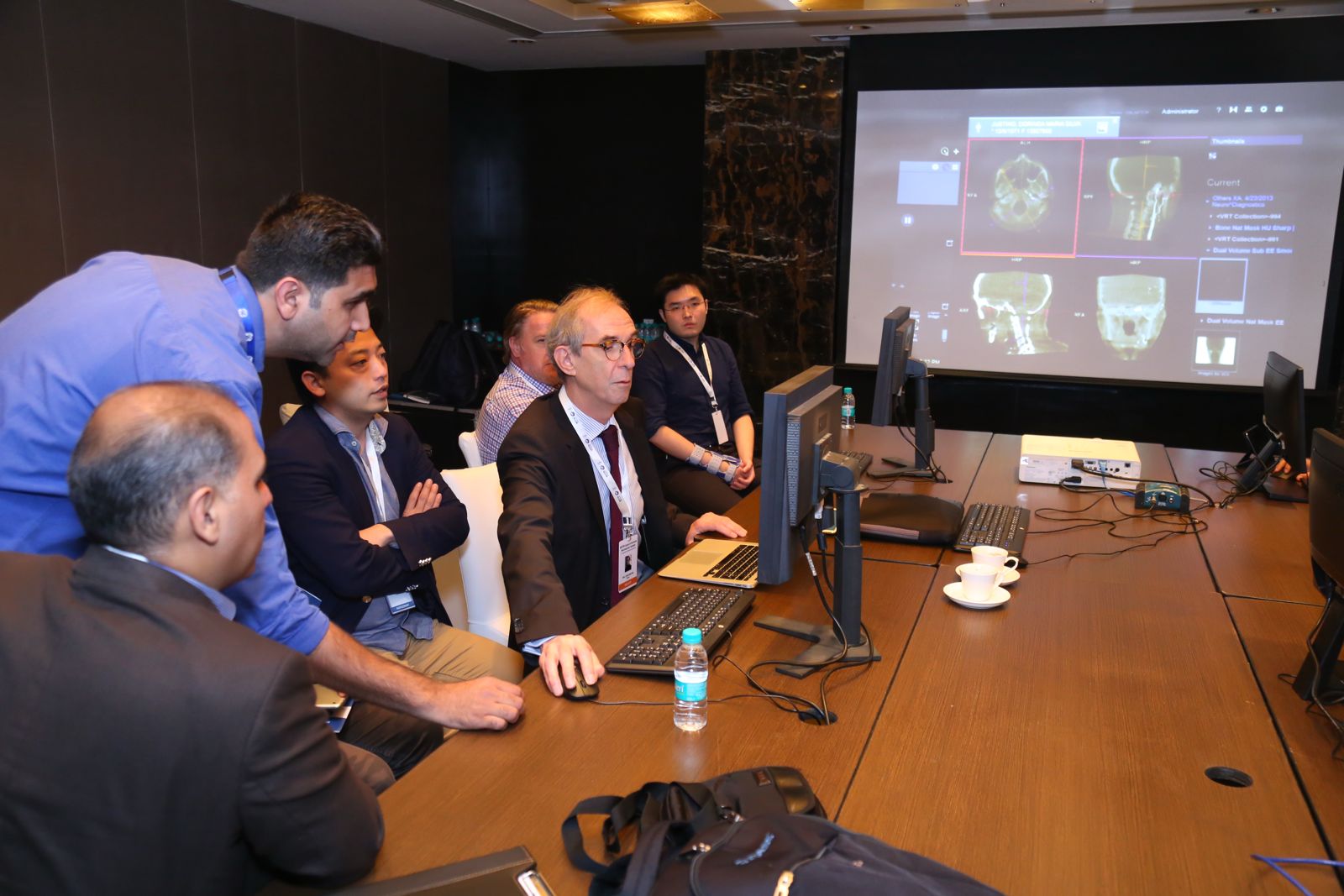
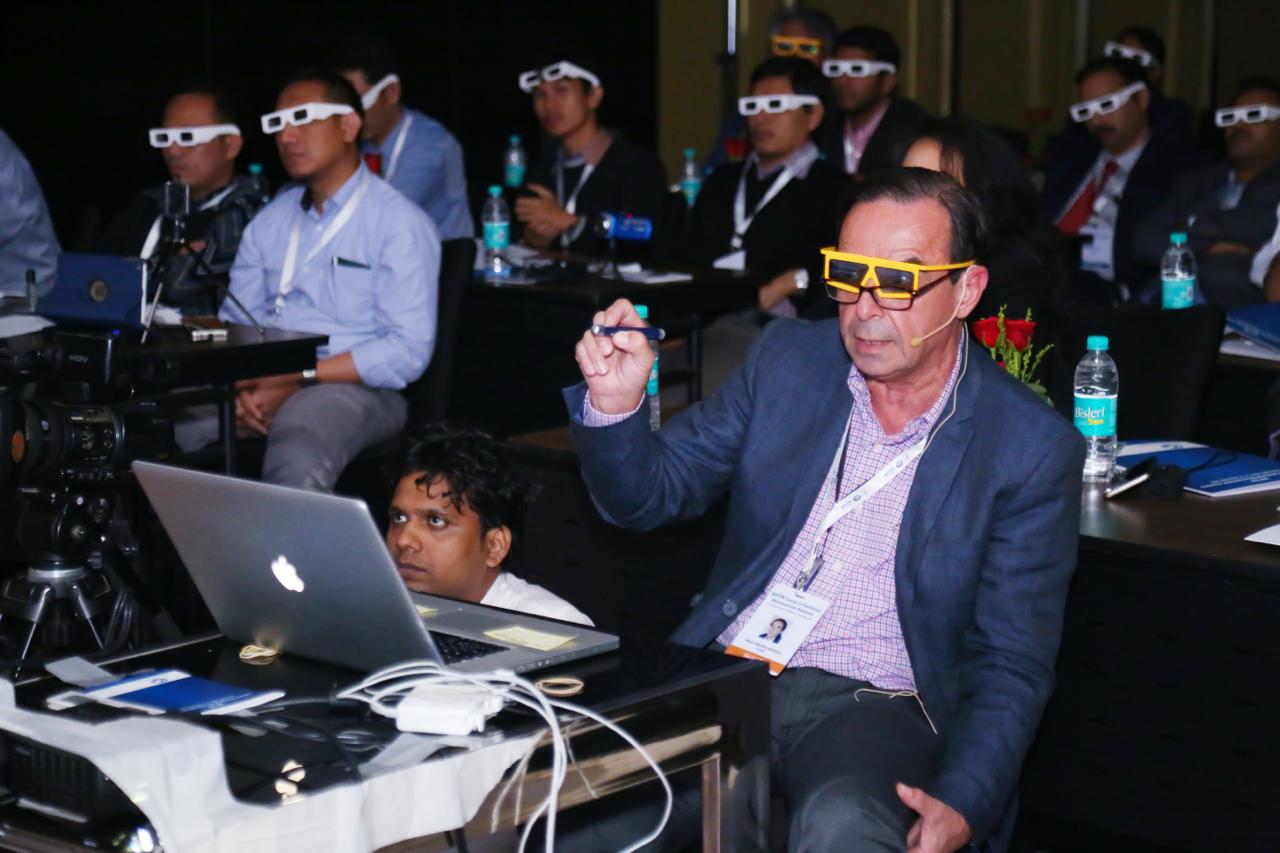
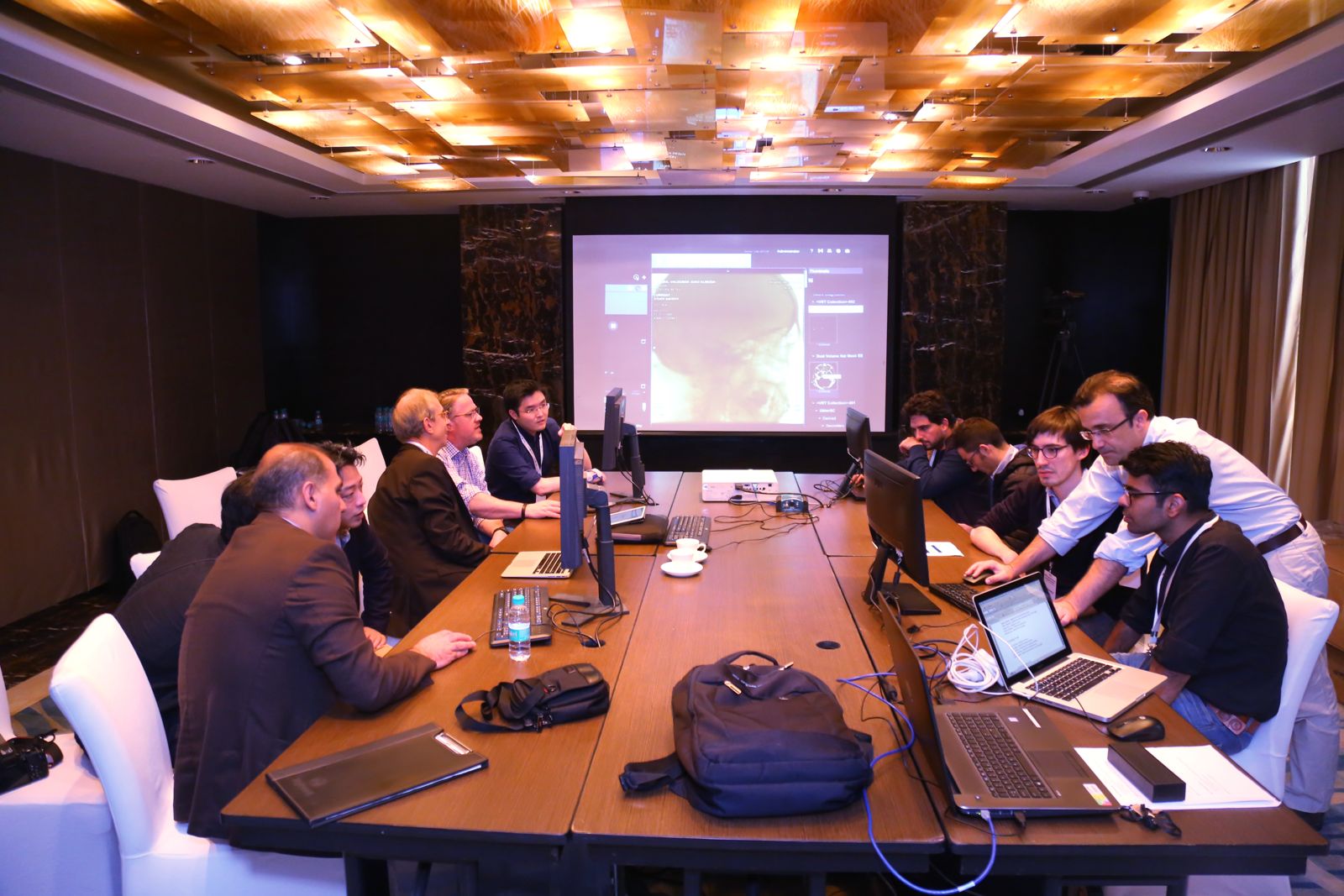
The course will have lectures and interactive workshops including 3D images from cadaveric dissections and on workstations with 3D DSA images
The course has been created for neuroradiologists, neurologists and neurosurgeons with particular interest in vascular diseases.
The course may be interesting to physicians in training to become INR specialists / neurointerventionist as well as senior neurointerventionists who wish to refresh their knowledge in functional neurovascular anatomy.
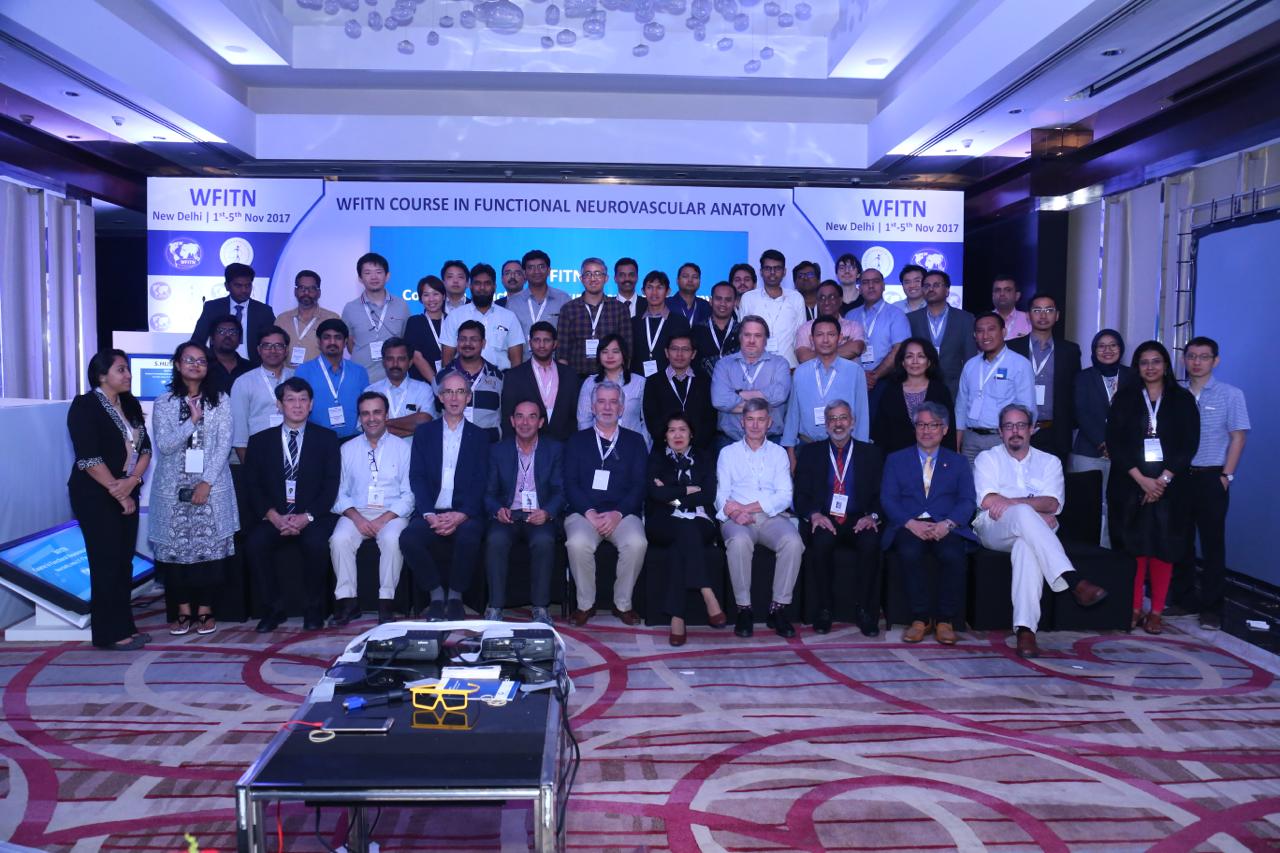
The maximum number of participants is 50.
An application has been made to the EACCME® for CME accreditation of this event.
The course is compliant with the Eucomed Code of Ethical Business Practice.
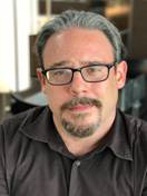
Professor of Anatomy, University of Angers
Centre Hospitalier et Universitaire d'ANGERS
ANGERS – FRANCE
Head, Service de Neuroradiologie Diagnostique et Thérapeutique
Hôpital FOCH
Suresnes, France
Dr. Rodesch is a Luxembourger born in Strasbourg (France). He did his medical studies at the University Louis Pasteur in Strasbourg from which he graduated. (Diplôme d'Etat de Docteur en Médecine). He subsequently was trained in Neurosurgery and in Diagnostic Neuroradiology at Hôpital Erasme (Free University of Brussels) before beginning in 1987 his training in the department of Interventional Neuroradiology at Hôpital Bicêtre (Le Kremlin Bicêtre) under the direction of Professor Lasjaunias.
He was appointed Assistant Professor in that department where he stayed till 2002 when he was appointed Head of the Department of Diagnostic and Therapeutic Neuroradiology at Hôpital Foch (Suresnes) where he developed endovascular interventional neuroradiology in adults. He currently also leads the pediatric interventional neuroradiology unit at the Fondation Rothschild in Paris.
Dr. Rodesch got a PhD at the Free University of Brussels for his work “Contribution to the study and therapeutic management of intra-dural spinal cord arterio-venous shunts in adults and children”. He has been visiting professor at the Royal College of Medicine and Surgery of Canada, University Laval-Québec, and at the University of Manitoba-Winnipeg. He is consultant for Interventional Neuroradiology in several departments of Neuroradiology in Europe. He was President of the World Federation of Interventional and Therapeutic Neuroradiology (WFITN) for the period 2013–2015. He has been member of the Interventional Committee of the ESNR and has worked with Professor Bracard and Soderman to launch an ESNR Course in Interventional Neuroradiology. Since 2008 he has been organizing the annual ABC WIN Meeting in Val d'Isère with Professor Luc Picard and Professor Serge Bracard.
Dr. Rodesch is an author/co-author of more than 230 publications in scientific journals and books, and has over 700 scientific communications in the field of Neuroradiology. He gave the honorary Pierre Lasjaunias Grand Conference during the 12th WFITN meeting in Buenos Aires in 2013. He is member of the editorial board of Acta Neurochirurgica, Journal of Neuroradiology, Interventional Neuroradiology.
Main fields of interest: Adult and pediatric spinal cord and brain arteriovenous malformations.
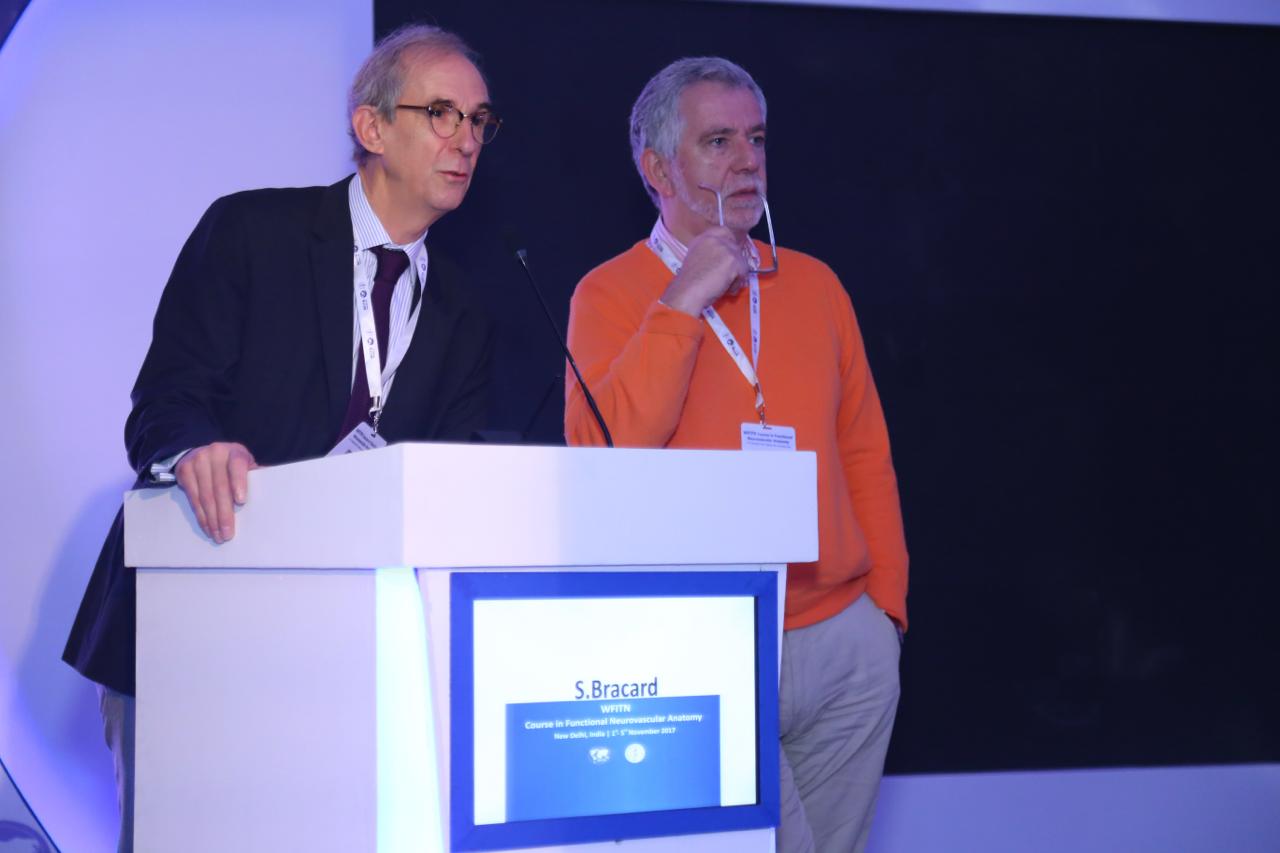
Professor of Radiology, Université de Lorraine
Head of Diagnostic and Interventional Neuroradiology Department
University Hospital of Nancy, France
INSERM Unit U947
A large part of his activities are in the field of neurovascular pathologies. He is a member of the French, European and World Stroke Organizations and was the PI of the French RCT on thrombectomy in acute stroke (THRACE).
Involved in training and teaching as chairman of Interventional Neuroradiology in the ESNR and chairman of educational committee in the WFITN, he organized several important courses and training in INR.
With Luc Picard and Georges Rodesch, he organises the annual ABC WIN meeting in Val d'Isère.
Associate Professor and Head Neurointervention
Dept of Neuroradiology
Karolinska University Hospital, Stockholm, Sweden
Assoc. Prof. Michael Söderman is the Head of Interventional Neuroradiology at Karolinska University Hospital in Stockholm, Sweden. His training was with Professor Pierre Lasjaunias in Hôpital Bicêtre, Paris, in the beginning of the 1990s and he has since been working with INR and research. His PhD thesis concerned mathematical outcome models in AVM treatment and he is the author and co-author of more than a hundred peer-reviewed publications.
He has been actively involved in the WFITN for more than 10 years and has lectured in all the previous functional vascular anatomy courses.
Prof. Söderman is the vice president of the WFITN and vice president of the 2018 Symposium Neuroradiologicum in Taipei.
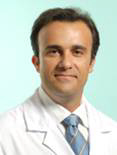
Médecin chef
Responsable de l'Unité de neuroradiologie
Hôpital du Valais (RSV) - Centre Hospitalier du Centre du Valais
Hôpital de Sion, Avenue du Grand-Champsec
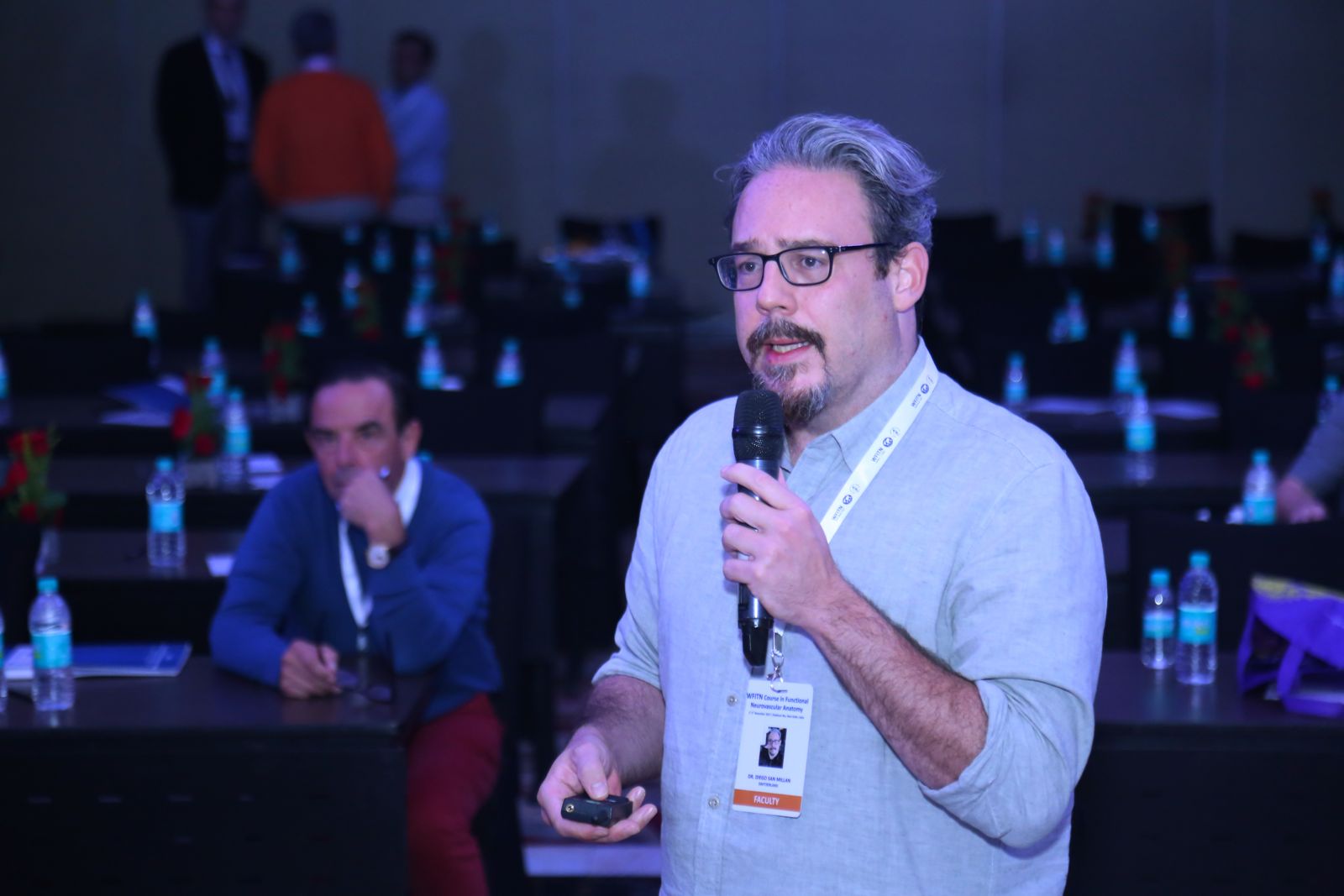
Diego San Millán is a diagnostic and interventional neuroradiologist trained in Geneva University Hospital and at The Johns Hopkins Hospital in Baltimore, USA. He is currently head of the Neuroradiology Unit at the Hospital of Sion, Valais, Switzerland and also works as a consultant interventional neuroradiologist at the Hirslanden Klinik in Zurich. He obtained his MD from Geneva University, where he later worked in the Morphology Department. His interest in vascular neuroanatomy and the venous system in particular, naturally led him to specialize in diagnostic and interventional neuroradiology.
His activity in the Hospital of Sion includes diagnostic neuroradiology and interventional neuroradiology procedures involving neurovascular and percutaneous spine interventions. He continues his academic activity and research in the field of neuroradiology and vascular neuroanatomy in close collaboration with The Division of Interventional Neuroradiology at The Johns Hopkins Hospital in Baltimore and the Hirslanden Klinik Zurich.
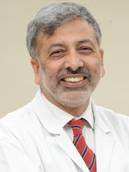
Sr. Consultant, Neurointervention & Stroke Neurology
Neo Hospital, Noida, Delhi-NCR
Director, Stroke & Neurovascular Clinic
Honorary Professor, Rajasthan University of Health Sciences and SMS Medical College, Jaipur
Professor, Department of Neurointervention, National Institute of Neurosciences, Dhaka, Bangladesh
Chairman, Stroke & Neurointervention Foundation (SNIF)
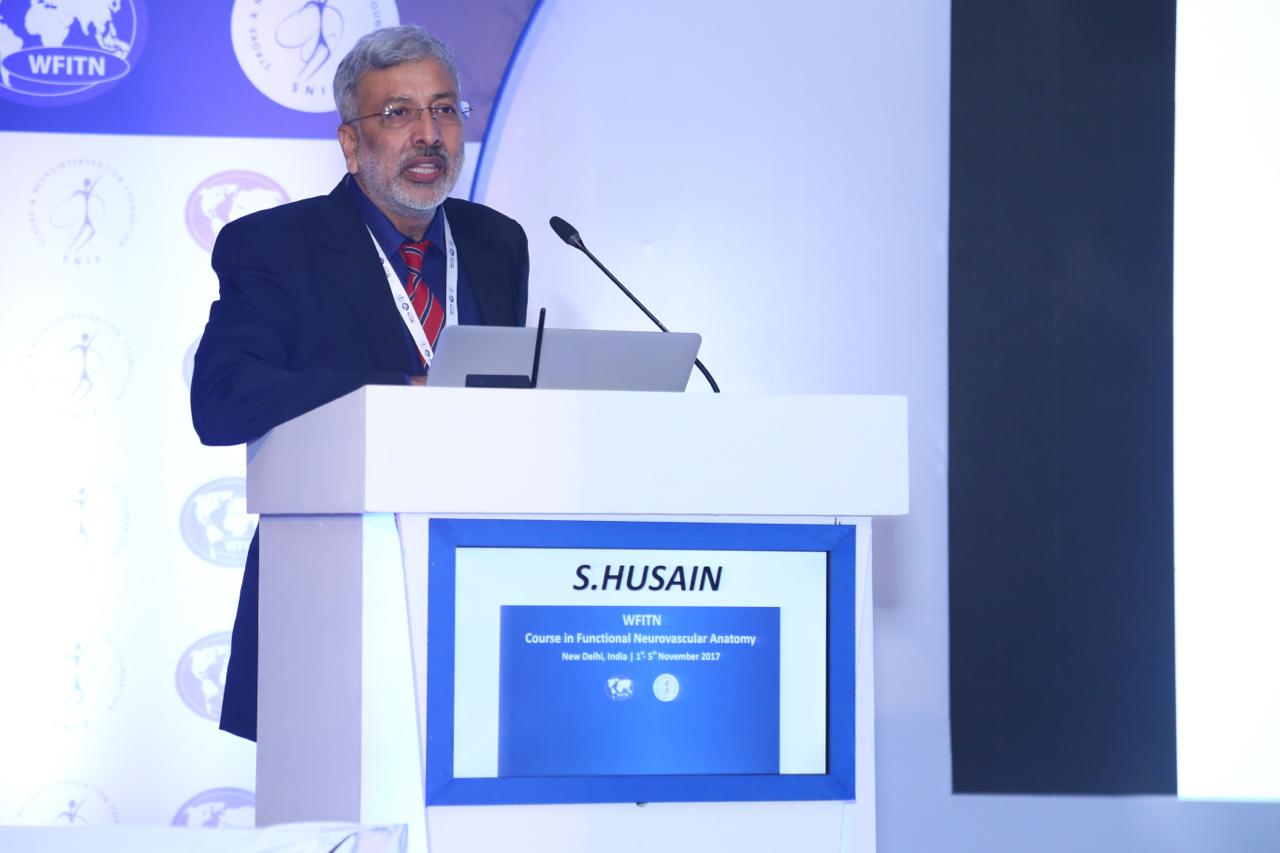
Dr. Shakir Husain completed his graduation and masters in medicine from RNT Medical College, Udaipur in 1986 and 1991. He earned board qualification in Neurology (DM) from G B Pant Hospital & Maulana Azad Medical College, New Delhi in 1995. He worked at GB Pant Hospital as a senior research associate and consultant neurologist at St. Stephen's Hospital, Indraprastha Apollo Hospital, and VIMHANS in New Delhi.
He subsequently joined a Fellowship in Interventional Neuroradiology at University Hospital Zurich, Switzerland from 1997–1999, and held visiting fellow roles in Paris and Hamburg before returning to Delhi.
In May 1999, he joined Sir Ganga Ram Hospital, New Delhi, where he developed one of the country’s first departments of Neuroendovascular Therapy. He created the first structured “Egas Moniz Fellowship in Interventional Neurology” in India.
In 2009, he joined Max Group of Hospitals as Director of Interventional Neurology and developed a dedicated Neurointerventional service with ICU and Neurovascular suite. In 2014, he moved to Saket City Hospital and later led the Institute of Neurosciences in Interventional Neurology & Stroke at Max. From 2015-2016, he worked in Germany at the University of Ulm.
Dr. Husain founded the Stroke & Neurointervention Foundation (SNIF) and has trained over 60 fellows in South-East Asia. He started the “Delhi Course on Neurointervention” in 2005, a recognized annual academic event.
He serves on editorial boards and collaborates on academic and clinical programs across Asia Pacific. He is also faculty to Zurich Course and NEURO-IMC in Madrid.
Head of Neuroradiology,
Hospital da Luz and Hospital Beatriz Angelo, senior consultant interventional neuroradiology, Hospital Garcia de Orta.
Lisbon, Portugal
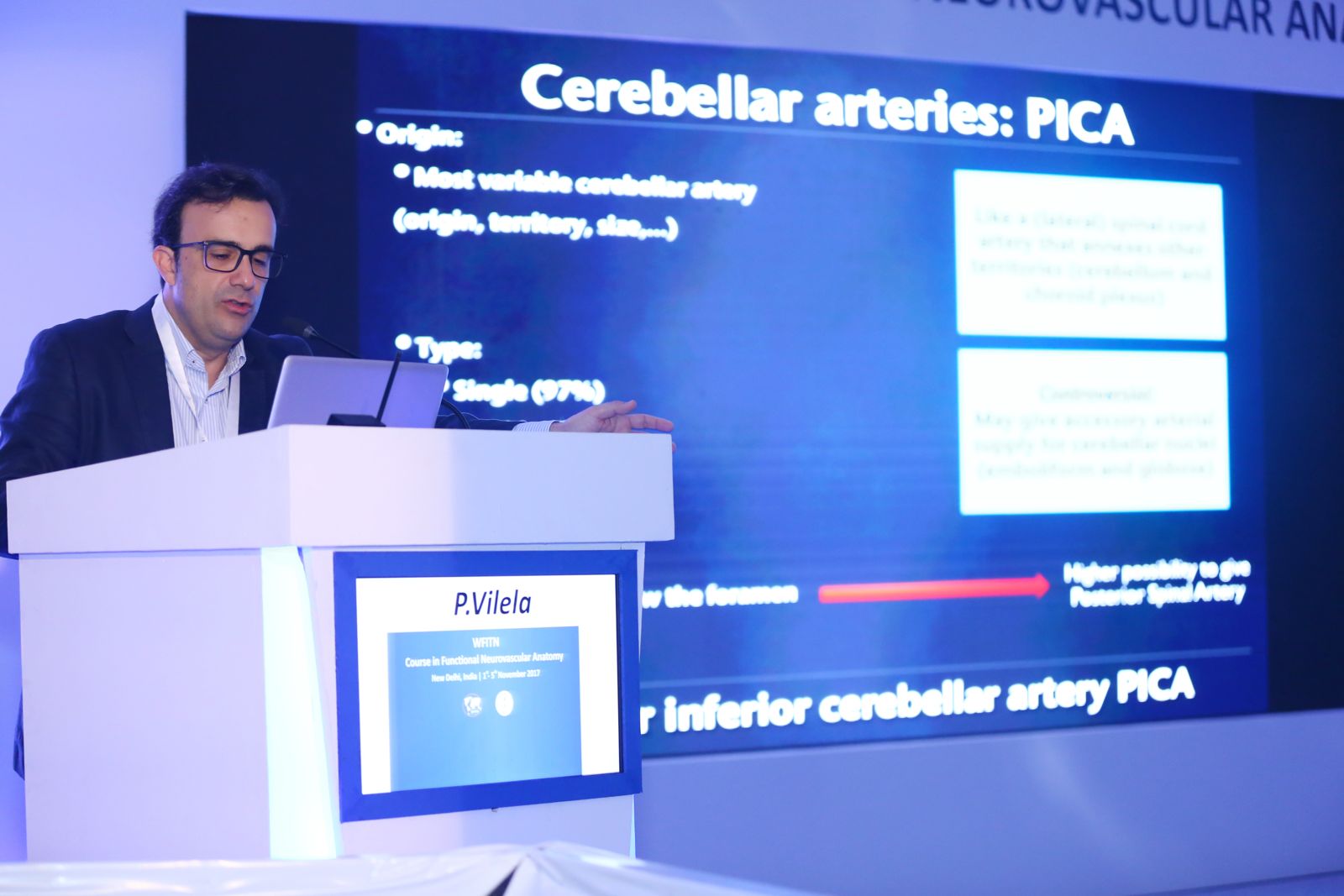
Dr. Pedro Vilela is a Portuguese Senior Consultant Neuroradiologist working in Lisbon, Portugal, in both diagnostic and interventional neuroradiology fields. He has made his training in Lisbon at the Hospital Garcia de Orta, and was a visiting fellow at the Toronto Western Hospital and has completed in 2001 the International Master Degree in Neurovascular Diseases (Paris Sud University, France, and Mahidol University, Thailand).
Presently, he is head of Neuroradiology in Hospital da Luz and Hospital Beatriz Angelo and is also a senior consultant for interventional neuroradiology at the Hospital Garcia de Orta.
He is the current Secretary of the ESNR Institutional Council, one of the editors of the Neuroradiology section of European Journal of Radiology, and the last past President of the Portuguese Neuroradiology Society (SPNR).
In 2012 he was nominated by the European Society of Radiology chairman of ECR Neuro-Committee, and served as Chairman of the Membership Committee of ESNR until 2016. He is a regular invited professor for the WFITN, ESNR and ESOR courses.
Dr. Pedro Vilela’s main research interests include the vascular disorders with a special interest in vascular diseases, especially brain perfusion and cerebrovascular reactivity.
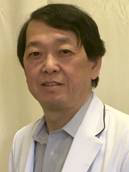
Osaka City General Hospital
Department of Neurointervention
Osaka, Japan
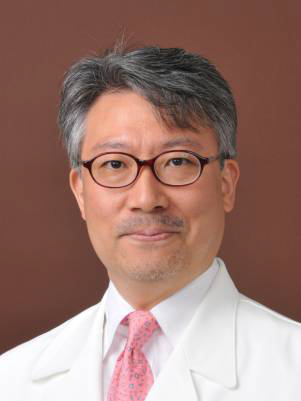
Dr. Komiyama is a board-certified neurosurgeon, and also a neuro-endovascular therapist in Japan. He graduated from Keio University in Tokyo, and started his medical career in plastic and reconstructive surgery first, and extended the fields to neurosurgery and neurointervention.
Amongst the fields of neurointervention, he is a specialist in pediatric neurointervention. He is also specialized in the functional neurovascular anatomy. He is now a director of Center for Cerebrovascular Diseases and Department of Neuro-Intervention, Osaka City General Hospital, Osaka, Japan.
Education:
1979: Keio University of Medicine, Tokyo
Present appointment:
Director, Center for Cerebrovascular Diseases, and Department of Neuro-Intervention, Osaka City General Hospital (2000–till date)
Previous appointments:
Memberships:
Director of Neurosurgery
Kameda Medical Center, Kamogawa City, Chiba, JAPAN
1985–1991: Yamanashi University School of Medicine, Japan
1991: M.D. Japan Medical License
2006: Ph.D. Degree of Medical Science from Yokohama City University School of Medicine
1991–1993: Residency in neurosurgery and critical care at Yokohama City University School of Medicine
1994–1996: Residency in neurosurgery at National Cardiovascular Center in Osaka
1996–1998: Consultant neurosurgeon at Odawara municipal hospital, Kanagawa
1998–1999: Clinical fellowship, Institute of Neuroradiology, University Hospital of Zurich, Switzerland
1999–2004: Assistant Professor, Institute of Neuroradiology, University Hospital of Zurich
2004–present: Director of Neurosurgery and Interventional Neuroradiology, Kameda Medical Center, Chiba
Visiting Professor, Showa University School of Medicine, Tokyo
Senior Lecturer of Neurosurgery, Yokohama City University School of Medicine
Senior Lecturer, Tottori University
Advisory Committee Member, Japan Pharmaceuticals and Medical Devices Agency, Ministry of Health, Labour and Welfare
Board of Japan Neurosurgical Society (JNS)
Executive Committee Member at Large, WFITN
Executive Committee Member, Japanese Society for Neuroendovascular Therapy (JSNET)
Member of Japanese Association of Anatomists (JAA)
World Federation of Neurosurgical Societies (WFNS)
European Society of Neuroradiology (ESNR)
Asian-Australasian Society of Neurosurgical Surgeons (AASNS)
Indian Stroke & Neurointervention Foundation (SNIF)
Clinical neuroanatomy, Surgical neuroangiography, Embryological anatomy, Minimally invasive neurosurgery, Functional vascular anatomy of the brain, Acute stroke management, Cerebral blood flow and metabolism
Intracranial aneurysms, AVMs (arteriovenous malformations), Dural AVFs (arteriovenous fistulas), Head and neck tumors, Spinal cord vascular malformations, Carotid artery revascularization
Registration fee:
Cancellation fee:
Included in the fee:
Not included in the fee:
| Time | Session |
|---|---|
| 9.00-9.30 | Welcome and Introduction: Why Anatomy? S. Husain / G. Rodesch Presentation of students and speakers. |
| 9.30-10.15 | The arteries of the cranio cervical junction: Pharyngo-occipital system (embryology, anatomy, arterial variations) P. Vilela |
| 10.15-11.00 | The veins of the cranio-cervical junction D. San Millan |
| 11.00-11.30 | Coffee break |
| 11.30-12.15 | Transcranial anastomoses and cranial nerve supply M. Tanaka |
| 12.15-13.00 | Surgical 3D vascular anatomy of the cranial nerves Ph. Mercier |
| 13.00-14.00 | Lunch |
| 14.00-14.45 | Vascularization of the middle ear M. Soderman |
| 14.45-15.30 | Functional vascular anatomy of the head and mouth S. Husain |
| 15.30-16.00 | Coffee break |
| 16.00-16.45 | Functional vascular anatomy of the maxillo facial region M. Tanaka |
| 16.45-17.30 | Pio-dural connections M. Soderman |
| Time | Session |
|---|---|
| 9.00-9.45 | Embryology and Anatomy of the Internal Carotid Artery S. Husain |
| 9.45-10.30 | Cavernous sinus: internal carotid artery and its branches S. Bracard |
| 10.30-10.45 | Coffee break |
| 10.45-11.15 | Surgical 3D Anatomy of the cavernous sinus Ph. Mercier |
| 11.15-12.00 | Ophthalmic artery: embryology, anatomy, variations M. Komiyama |
| 12.00-12.30 | Surgical 3D anatomy of the orbit Ph. Mercier |
| 12.30-13.00 | Collateral vessels to the brain G. Rodesch |
| 13.00-14.00 | Lunch |
| 14.00-17.30 | Workshops: ECA-ICA Anastomoses, cavernous sinus, ophthalmic artery, workstation topics GR, MS, DSM, SH, MT, MK, SB, PV |
| Time | Session |
|---|---|
| 9.00-9.45 | Vertebro-Basilar system: PICA, AICA, SCA P. Vilela |
| 9.45-10.15 | Surgical 3D anatomy of the perforators of the vertebro-PICA region Ph. Mercier |
| 10.15-10.30 | Coffee Break |
| 10.30-11.15 | Intra axial vascularisation of the brain stem S. Bracard |
| 11.15-11.45 | Basilar Tip variations and perforating arteries M. Komiyama |
| 11.45-12.15 | Surgical 3D anatomy of the basilar tip and perforators Ph. Mercier |
| 12.15-12.45 | Angioanatomy of the Circle of Willis. Variations and Perforating arteries M. Soderman |
| 12.45-13.15 | Surgical 3D anatomy of the Circle of Willis Ph. Mercier |
| 13.15-14.15 | Lunch |
| 14.15-17.45 | Workshops: Skull base and maxillofacial region, Circle of Willis, workstation topics incl. perforators MS, GR, DSM, SH, MT, MK, PV, SB |
| Time | Session |
|---|---|
| 9.00-10.00 | Anterior Choroidal Artery and Posterior Cerebral Artery: Embryology, anatomy, arterial variations M. Tanaka |
| 10.00-10.45 | Anterior Cerebral Artery and Middle Cerebral Artery M. Komiyama |
| 10.45-11.00 | Coffee break |
| 11.00-12.00 | Anatomy of arteries and veins of the spine and spinal cord G. Rodesch |
| 12.00-13.00 | Surgical 3D anatomy of arteries and veins of the spine and spinal cord Ph. Mercier |
| 13.00-14.00 | Lunch |
| 14.00-17.30 | Workshops: Spine and spinal cord, cerebral artery variations, workstation topics GR, MS, DSM, SH, MT, MK, SB, PV |
| Time | Session |
|---|---|
| 9.00-10.00 | Intracranial Venous system: Cortical veins and dural sinuses: supra and infratentorial dispositions. Normal vascular anatomy and variations P. Vilela |
| 10.00-11.00 | Intracranial Venous system: deep cerebral veins and veins of the white matter S. Bracard |
| 11.00-11.30 | Coffee break |
| 11.30-12.15 | Surgical 3D venous anatomy Ph. Mercier |
| 12.15-13.00 | Cerebral veins and CSF physiology. Perivascular spaces D. San Millan |
| 13.00-14.00 | Lunch |
| 14.00-14.45 | The glymphatic system of the brain S. Naganawa |
| 14.45-16.00 | Workshops (veins and sinuses) PV, SB, DSM |
| 16.00-16.30 | Coffee break |
| 16.30-17.30 | Self Evaluation Test |
| 17.30 | End of the course |